Dream Beach Script Font for Editorial Design
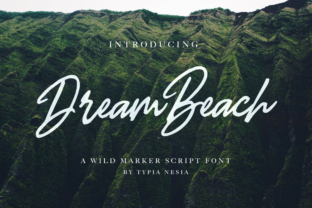
The Dream Beach script font brings a sense of spontaneity and creativity to editorial design. As a wild marker script, it captures the essence of freehand writing with a modern twist. This handwritten typeface is ideal for content creators who want to infuse their publications with personality without sacrificing readability.
With its fluid curves and organic feel, Dream Beach is well-suited for headings, titles, and accents in blogs, magazines, ebooks, and newsletters. It adds a touch of warmth and authenticity that can elevate the visual tone of any publication.
Visual Characteristics and Style
Dream Beach features a loose, expressive style reminiscent of hand-drawn typography. The letterforms have a natural variation in stroke width and spacing, giving them a dynamic and lively appearance. This makes the font particularly effective for drawing attention to key elements like headlines, chapter openers, and pull quotes.
The font's personality is both playful and elegant, making it suitable for a wide range of editorial contexts. Whether used for a lifestyle blog or a professional magazine, Dream Beach maintains a balance between artistic flair and typographic clarity.
Uses in Editorial Design
Incorporating Dream Beach into editorial layouts allows for creative expression while maintaining structure. Here are some practical applications:
- Blog Headers: Use Dream Beach for blog post titles to create an inviting and approachable tone.
- Magazine Covers: Apply the font to cover titles or taglines to add visual interest and a personal touch.
- Ebook Titles: Pair Dream Beach with a clean serif or sans serif font for body text to ensure readability and aesthetic harmony.
- Newspaper Graphics: Utilize the font for section headers or feature titles to enhance visual hierarchy.
- Quote Layouts: Highlight inspirational quotes or testimonials using Dream Beach for a more engaging presentation.
This versatility makes Dream Beach a valuable asset in creating visually appealing and reader-friendly content across various platforms.
Readability Considerations
While Dream Beach is best suited for short bursts of text, it should be used thoughtfully when considering screen reading, PDF exports, mobile layouts, and print. For longer passages, pairing it with a more legible serif or sans serif font ensures optimal readability.
When designing for digital formats, ensure that the font scales well on different screen sizes and remains legible at smaller point sizes. For print materials, test the font at various resolutions to maintain quality.
Font Pairing Suggestions
For editorial use, consider pairing Dream Beach with a complementary font that enhances readability. A classic serif font like Garamond or Georgia works well for body copy, providing contrast and balance. Alternatively, a modern sans serif font such as Helvetica Neue can be used for captions and navigation elements.
Experiment with different combinations to find the right visual rhythm for your publication. The goal is to create a cohesive look that supports the overall brand identity and reader experience.
Commercial Licensing and Usage
When using Dream Beach in commercial projects such as ebooks, templates, printables, paid newsletters, client publications, or digital downloads, ensure that you have the appropriate commercial license. This protects both the designer and the end user from legal issues related to font usage.
Always check the licensing terms provided by the font creator to understand the scope of permitted uses. This includes restrictions on redistribution, embedding in web pages, and multi-user environments.
Practical Examples
Consider using Dream Beach for a variety of content types:
- Lifestyle Blog: Use it for post titles and featured sections to create a friendly and approachable vibe.
- Recipe Ebook: Apply the font to chapter titles or ingredient lists for a whimsical yet readable layout.
- Wedding Guide: Incorporate it into invitations, event details, or love stories to add a romantic and personal touch.
- Coaching Workbook: Employ it for section headers or motivational quotes to enhance engagement and visual appeal.
- Digital Magazine: Feature it in headlines or sidebars to draw attention and maintain a consistent visual theme.
- Printable Planner: Use it for month headers or weekly prompts to make the content feel more personalized and inviting.
- Creator Newsletter: Include it in subject lines or call-out boxes to increase click-through rates and reader interaction.
These examples illustrate how Dream Beach can be integrated into different editorial formats while supporting brand identity and reader engagement.
By thoughtfully applying Dream Beach in your design work, you can create visually compelling content that resonates with your audience and reflects your creative vision.